


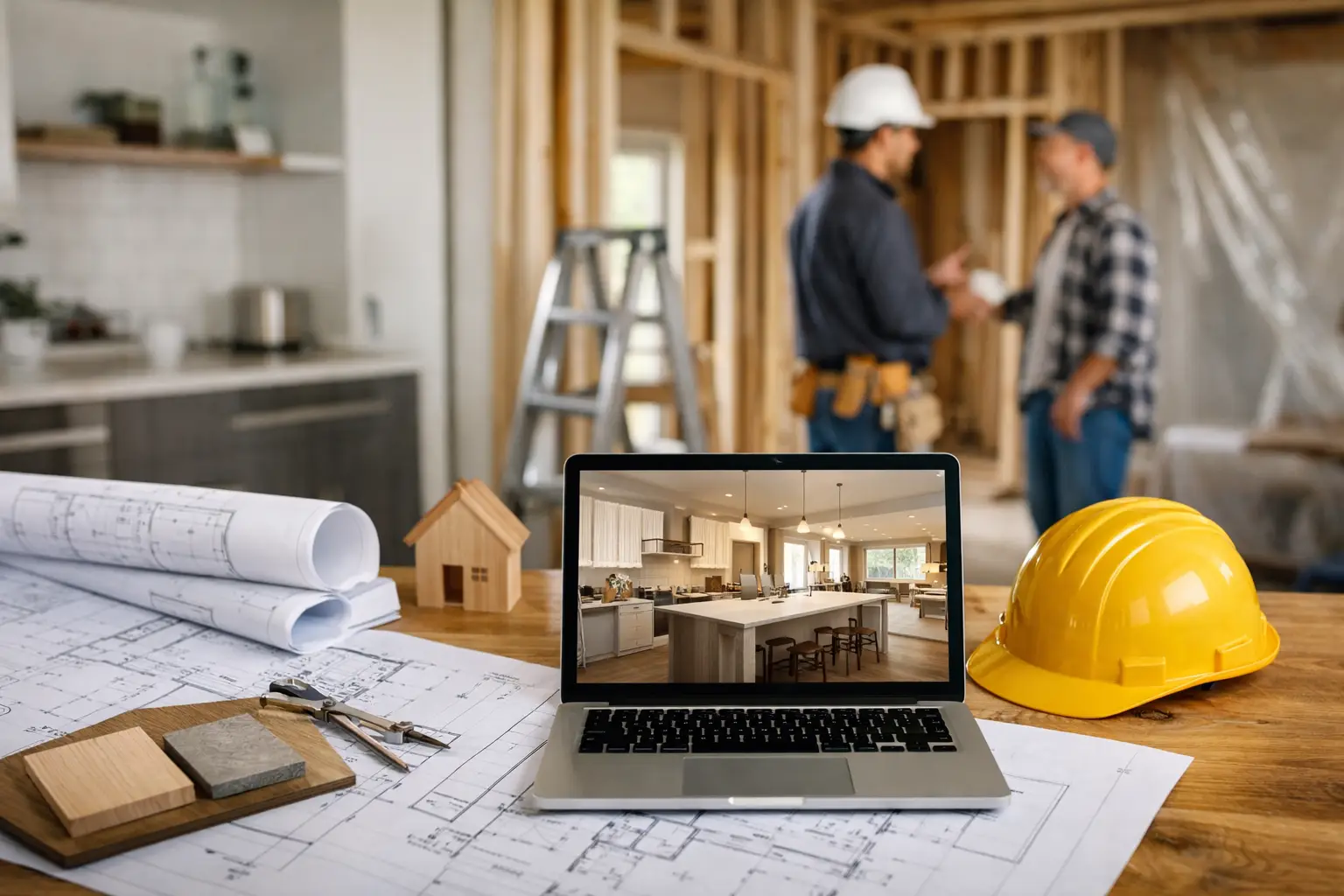
Design Build Remodeling Process Steps Explained

If you have ever tried to line up a designer, a contractor, and a handful of subcontractors for the same remodel, you already know where projects start to go sideways. Miscommunication, pricing gaps, and finger-pointing usually show up before the first cabinet or tile is installed. That is why many homeowners ask about the design build remodeling process steps before they commit to a kitchen, bath, basement, addition, or whole-home renovation.
A design-build approach puts planning, pricing, and construction under one accountable team. For homeowners in Central Massachusetts and MetroWest, that usually means fewer handoffs, clearer communication, and a more controlled path from first idea to finished space. It does not mean every project is easy or identical. It means the process is set up to reduce avoidable problems.
What the design-build remodeling process steps actually do
At its core, design-build is meant to solve a common remodeling problem: plans are often created without enough builder input, or construction starts before the scope is truly defined. Either situation can lead to budget surprises, schedule changes, and frustrating decisions made under pressure.
The right process brings design decisions, material selections, cost planning, and construction logistics together early. That matters whether you are opening up a first floor, updating an older bathroom, finishing a basement, or building an addition onto a lived-in home. The more moving parts a project has, the more valuable a structured process becomes.
Step 1: Start with a consultation and project goals
Every successful remodel begins with a real conversation. This is where homeowners explain what is not working in the home, what they want to change, and what level of investment feels realistic. It is also where the builder can assess whether the goals, timeline, and property conditions align.
This first step is not just about gathering ideas. It is about setting direction. A family remodeling a kitchen for better flow needs a different plan than a homeowner building an in-law suite or expanding a primary bathroom. During this stage, good questions matter more than polished answers. How do you use the space now? What frustrates you daily? Are you planning around aging in place, resale, or a long-term family layout?
A free consultation is often the point where homeowners begin to feel whether a company is organized, responsive, and experienced enough to manage the work.
Step 2: Site review and feasibility
Once the project has initial direction, the next step is evaluating the home itself. Existing homes always come with conditions that affect scope and cost. Structural walls, old plumbing, electrical capacity, ventilation, ceiling heights, and foundation conditions can all shape what is practical.
This is where experience matters. On paper, a remodel can look straightforward. In the field, older homes in Worcester County and MetroWest often reveal uneven framing, outdated systems, or prior work that needs correction. A professional site review helps identify likely constraints before plans are finalized.
Sometimes the result is confirmation that the original vision works. Sometimes it means adjusting the layout, materials, or project sequence. That is not a setback. It is a better outcome than discovering major issues after demolition starts.
Step 3: Design development and scope definition
This is the stage where ideas become a real project. Layouts are refined, priorities are clarified, and the remodel starts taking shape in a way that can actually be built. Depending on the job, this may include floor plan changes, cabinetry concepts, fixture locations, finish direction, and coordination between trades.
One of the biggest advantages of design-build is that design decisions are made with construction input in the room. That can prevent plans that look good but create unnecessary cost or complexity. It also helps homeowners understand trade-offs early. For example, moving plumbing across a room may be worth it for a better layout, but not always. Removing a wall may improve flow, but it may also require structural engineering and a larger budget.
Scope definition is where many remodeling headaches are either prevented or created. If the project is loosely defined, allowances and assumptions tend to multiply. If the scope is clear, pricing and scheduling become much more reliable.
Step 4: Budgeting and proposal review
Once the project scope is developed, budgeting becomes more accurate and more useful. This is not just a single number at the bottom of a page. A well-prepared proposal should reflect the actual work involved, based on the home, the design intent, and the level of finish being discussed.
Homeowners often want certainty here, and that is understandable. The honest answer is that pricing gets better as details get sharper. Cabinet lines, tile selections, fixture quality, structural needs, and site access can all shift the final cost. The benefit of the design-build model is that these conversations happen before construction begins, not after.
At this stage, there may be a round of value decisions. That does not mean cutting quality. It means deciding where investment matters most. Some clients want premium cabinetry and can simplify other finishes. Others prioritize square footage, storage, or structural changes and choose more moderate finish levels. A good builder helps clients make those decisions without losing sight of the overall goal.
Step 5: Selections, planning, and pre-construction coordination
After budget approval, the project moves into pre-construction. This is where selections are finalized and the work is prepared in detail. Materials, fixtures, finishes, and product lead times all need attention before the crew arrives on site.
This step often feels less dramatic than demolition, but it is one of the most important parts of the process. Delays frequently start when products are not selected in time, when measurements are incomplete, or when critical details are left open. Careful pre-construction planning reduces downtime and helps protect the schedule.
For homeowners, this is also the point where expectations around access, temporary living conditions, work hours, and sequencing should be discussed clearly. A kitchen remodel in an occupied home needs a different plan than a basement renovation with a separate entrance.
Step 6: Permits and scheduling
Most major remodeling projects require permits, especially when structural, electrical, plumbing, or mechanical work is involved. In a design-build process, permit coordination is folded into the project workflow rather than left as a separate homeowner responsibility.
Scheduling also becomes more precise here. Trades are lined up, inspections are anticipated, and the builder can create a sequence based on both the scope and material arrival dates. Good scheduling is not just about speed. It is about logic. If framing changes, rough plumbing, electrical, insulation, drywall, trim, and finish installation are not lined up properly, time gets lost fast.
Permitting timelines can vary by town, and that is one of those areas where experience is useful. Local process familiarity helps avoid preventable slowdowns.
Step 7: Construction and active project management
This is the phase homeowners usually picture first, but the work goes better when the earlier steps have been handled properly. Demolition begins, framing changes are made, rough systems are installed, inspections take place, and the space gradually moves from open walls to finished surfaces.
Construction is where accountability matters most. Questions will come up. Existing conditions may require an adjustment. A product may become unavailable. Even well-planned jobs can need field decisions. What matters is how those decisions are communicated and managed.
A design-build firm has an advantage here because the people managing the work are not trying to interpret someone else’s plans in isolation. The same team that shaped the project is involved in carrying it through. That usually leads to faster decisions and fewer gaps between intent and execution.
For homeowners, this phase should include regular communication, realistic updates, and a clear point of contact. That consistency is often what makes a complex renovation feel manageable.
Step 8: Final walkthrough and completion
As construction wraps up, the project moves into punch list and final review. Fixtures are checked, finishes are inspected, and small remaining items are addressed before closeout. This is not a rushed handoff. It is the point where the builder confirms the work is complete and the homeowner gets oriented to the finished space.
Final walkthroughs matter because a remodel is more than visible finishes. Homeowners should understand what was done, what to expect as materials settle, and how to care for the space going forward. On larger or more technical projects, that may include appliance information, paint details, maintenance guidance, or warranty-related documentation.
Why these design build remodeling process steps matter
The design build remodeling process steps are not there to slow a project down. They are there to make the project buildable, budget-aware, and better managed from start to finish. That is especially important for homeowners investing significant money into homes they plan to stay in and enjoy for years.
If you are comparing contractors, pay attention to how they handle the early phases. Anyone can promise a beautiful result. The real difference shows up in how clearly they define scope, how honestly they discuss budget, and how confidently they manage the work once walls open up.
At TCI Construction, that structured approach is part of the value. Homeowners are not just hiring labor. They are choosing a licensed and insured builder with the experience to guide planning, manage complexity, and deliver a finished result with one accountable team. If you are thinking about a remodel, start with the process. The quality of the project usually follows from there.
A well-run remodel should leave you with more than a better-looking room. It should leave you feeling that the work was handled the right way from the beginning.


Comments